
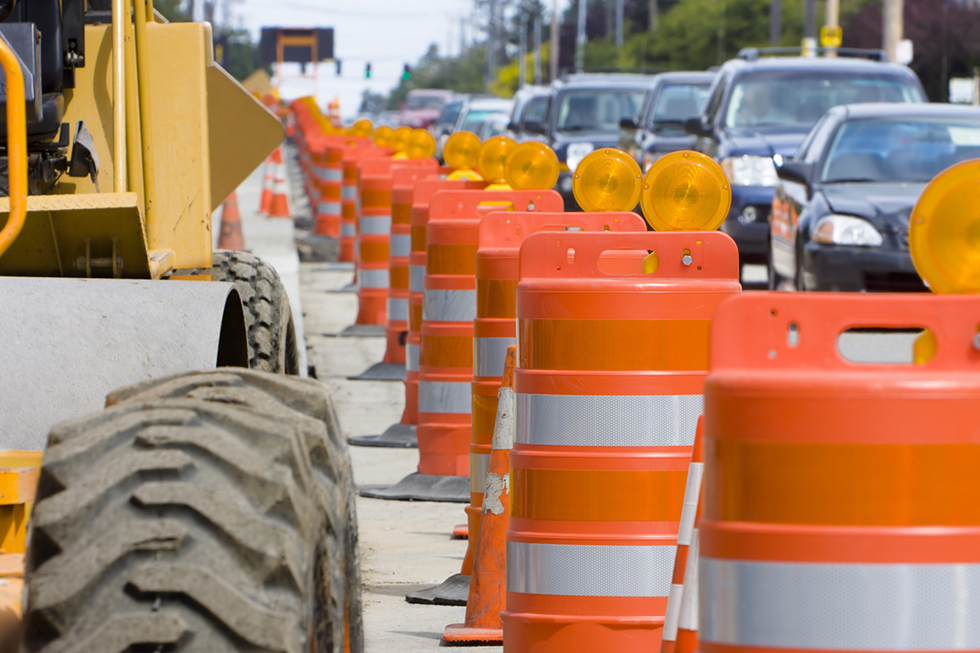
How public agencies and project leaders can help communities see the people behind the work
Most public conversations about road construction begin with inconvenience.
How long will this take?
Why is traffic backed up?
Why are we being detoured?
Why aren’t crews working nights, weekends, or around the clock?
Those questions are familiar to anyone who leads major infrastructure work. They are also understandable. Construction affects daily routines, businesses, commutes, emergency access, freight movement, and community life.
But Pat Huston, MnDOT project director and MnDOT representative on the Minnesota Construction Mental Health Alliance Strategy Team, believes the conversation cannot stop there.
The public also needs to understand the human side of construction.
Behind every lane closure, bridge reconstruction, detour, night shift, weekend schedule, and early completion goal are real people doing difficult, high-risk work. They are skilled workers. They are parents, spouses, sons, daughters, friends, neighbors, and coworkers. They are the people building the transportation system Minnesota depends on.
And they are working in an industry facing a serious mental health and suicide prevention challenge.
The public sees the project. Leaders can help them see the people.
Pat’s perspective has been shaped by decades of work with MnDOT District 1 – Duluth and by leading major projects including Highway 53 Relocation, the Twin Ports Interchange, and the Blatnik Reconstruction project.
On projects of that size, public pressure is constant. Communities want the work done quickly. Businesses want access preserved. Drivers want shorter delays. Elected officials hear from constituents. Online comments can quickly turn critical.
Pat has seen that pressure firsthand.
He has also seen how it affects the way people think about project schedules. The public often sees delay as the problem and speed as the solution. But for the people building the work, speed can mean longer hours, more weekends, more night work, more time in dangerous conditions, more time away from family, and less recovery.
That is why public outreach can be more than a project update. It can be part of mental health leadership.
A public meeting moment that changed the room
During a public outreach meeting for the Blatnik Reconstruction project, Pat reached the schedule portion of the presentation and asked the room a simple question:
Who wants this project completed as fast as humanly possible?
Every hand went up.
Then he talked about mental health and suicide in construction. He asked the room to consider the people behind the schedule. He explained that the workers building these projects are not anonymous crews in orange vests. They are friends, family members, neighbors, spouses, sons, and daughters.
The room changed.
A retired construction worker sitting in the front row stood up and said he had retired from Lakehead Constructors.
“It’s true,” he said. “I’ve seen it.”
That moment matters because it shows what can happen when leaders connect public inconvenience to worker reality. The goal was not to dismiss community concerns. The goal was to widen the conversation.
Yes, schedules matter.
Yes, disruption matters.
Yes, businesses and drivers matter.
And the people building the work matter, too.
“Faster” is not always the only measure of success
For public agencies and project owners, success is often measured by delivering the project on time, on budget, with strong safety and quality outcomes. But when mental wellbeing becomes part of the conversation, leaders are challenged to look at the full system of pressure around the job.
That includes public pressure.
If the only message communities hear is “we are working as fast as possible,” then speed becomes the main expectation. But if the message also includes worker safety, mental wellbeing, and sustainable project delivery, the public can begin to understand why some decisions are made differently.
That may include explaining why a detour gets workers out of live traffic.
It may mean helping communities understand why seven-day work weeks are not always the right answer.
It may mean showing that a schedule is not simply a technical document, but a human one.
It may mean educating elected officials, business owners, and community leaders so they can speak knowledgeably when constituents ask why the project is not moving faster.
Public communication will not remove all frustration. But it can help reframe the conversation from “why aren’t they working faster?” to “how do we complete this work responsibly while protecting the people building it?”
Public awareness is part of systemic change
The Minnesota Construction Mental Health Alliance is focused on moving the industry beyond awareness alone. That means looking at the systems that shape the work: schedules, incentives, contract structures, staffing, benefits, culture, communication, stigma, and leadership expectations.
Public awareness is one of those systems.
When the public demands speed at any cost, that pressure moves through elected officials, agency leaders, project owners, contractors, supervisors, and eventually workers. When the public better understands the human cost of that pressure, leaders have more room to make balanced decisions.
Pat has seen this play out in practical ways. He shared examples of MnDOT conversations about shorter work weeks where possible, less unnecessary weekend work, less night work, more thoughtful use of detours, and fewer incentives that push early completion without considering the pressure placed on labor.
None of these ideas are universal solutions.
A shorter work week may create challenges for workers who need enough hours to maintain benefits through seasonal layoffs. A detour may protect workers but create hardship for businesses and drivers. Less night work may be better for workers but more disruptive to traffic.
That is the point.
There is no single fix. There is only the work of getting the right people at the table early enough to understand the tradeoffs and make better decisions together.
The industry needs workers. Workers need to know the industry is changing.
Pat is careful about how this message is delivered. The construction industry needs people. The trades offer strong careers, meaningful work, and opportunities to build things that last. The goal is not to tell young people, families, or future workers that construction is too risky to enter.
The goal is to show that leaders are paying attention.
The message is this:
Yes, mental health and suicide prevention are serious issues in construction.
Yes, the work can be demanding.
And yes, leaders across Minnesota are working together to change how the industry supports the people who build.
This is a message of honesty and hope.
The Minnesota Construction Mental Health Alliance invites construction leaders, project owners, public agencies, contractors, labor partners, healthcare leaders, and industry advocates to be part of the work. Use the Alliance website to access resources, share the message, and bring mental wellbeing into your next project conversation.
Get Involved | Minnesota Construction Mental Health Alliance
The public may see the road, bridge, or project first.
Leaders have a responsibility to help them see the people.
Sources:
Pat Huston interview transcript, MN Construction Mental Health Alliance – Insights Call w/ Pat Huston – July 09. This source supports Pat’s comments about project-owner responsibility, Twin Ports Interchange, Blatnik schedule/incentive decisions, public outreach, labor conversations, and the need for collaboration.
Centers for Disease Control and Prevention, Suicide Rates by Major Occupational Group — 17 States, 2012 and 2015. CDC reported that among men, Construction and Extraction had the highest suicide rate among major occupational groups in both 2012 and 2015, and that workplace-based suicide prevention is part of a comprehensive approach.
Minnesota Department of Health, Suicide Data and Reports. MDH lists current Minnesota suicide data resources, including the 2025 data brief and the report on suicide rates among male farmers and construction workers in Minnesota using Minnesota Violent Death Reporting System data from 2015–2021.
Minnesota Department of Health, Mental Health and Suicide Prevention. MDH directs Minnesotans to call or text 988 for emotional or mental health support and describes suicide prevention as a public health approach involving state coordination, technical assistance, data, and community-based prevention.